Ayurveda & Yoga – Your Holistic Path to Wellness
Personalized Yoga Based on Your Dosha (Body Type)
Yoga is a sister science of Ayurveda, and together they offer a comprehensive, holistic approach to maintaining balance in body, mind, and spirit. When yoga is personalized according to your Dosha (body type), it becomes a powerful tool for self-healing, emotional balance, and long-term well-being.
Therapeutic yoga is most effective when adapted to your unique constitution. By tailoring asana, pranayama (breathwork), and meditation to your Dosha, you support natural healing processes, restore energetic balance, and reduce the risk of strain or injury. Understanding your Dosha allows you to choose practices that truly support your physical, mental, and emotional health.
Common Dosha Challenges
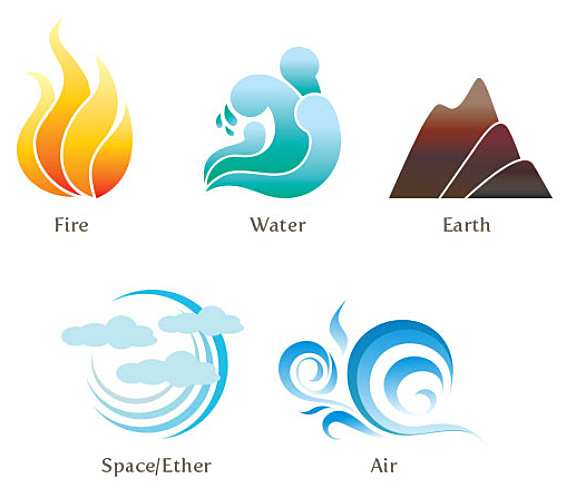
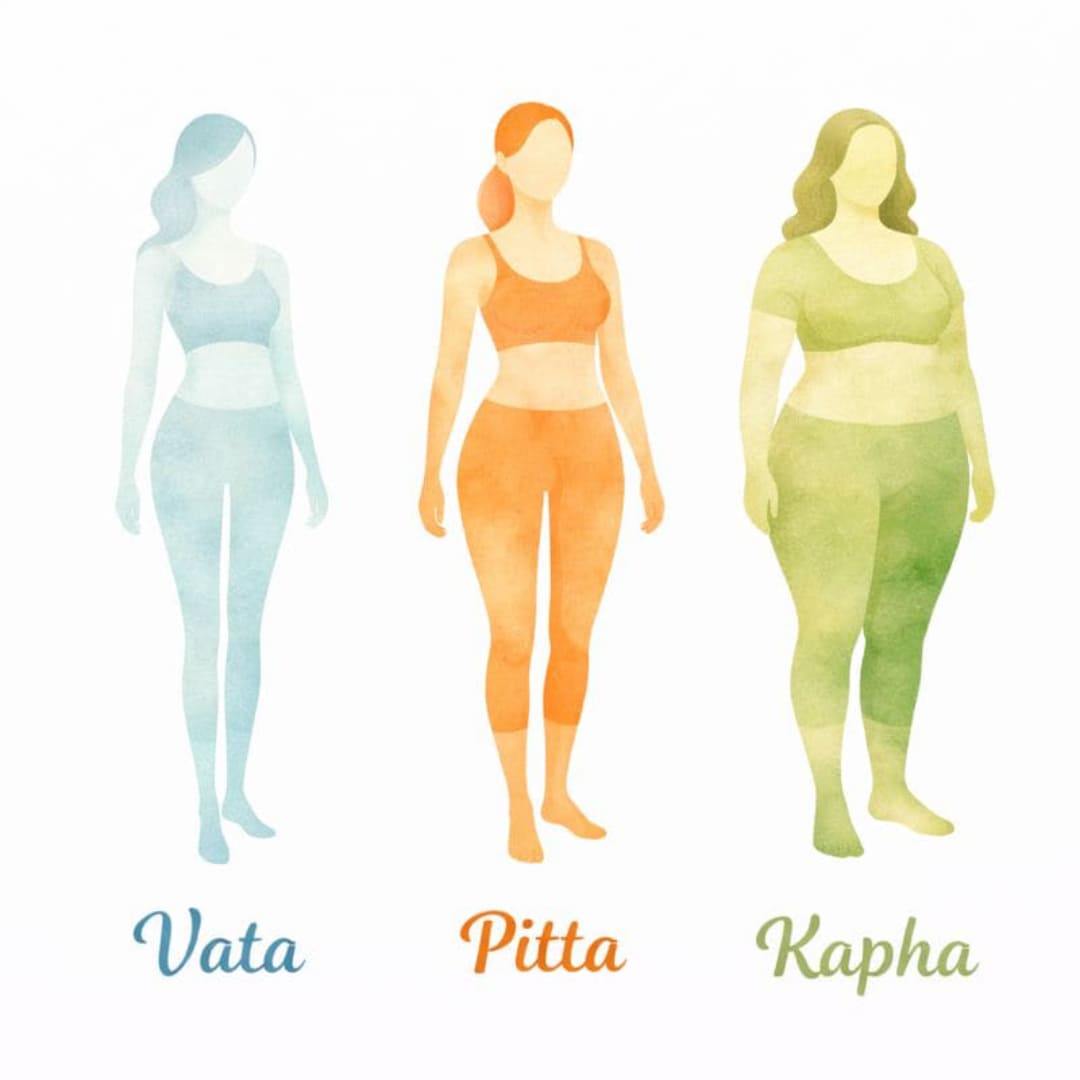
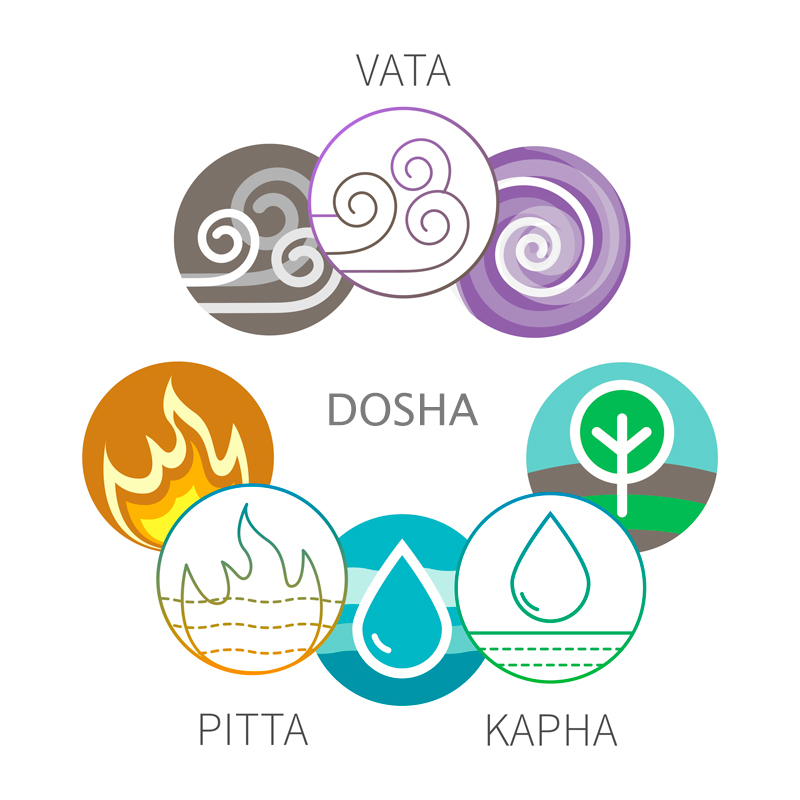
Vata (Air + Space):
Insomnia, anxiety, nervousness, digestive irregularities, dry skin, cold sensitivity
Pitta (Fire + Water):
Irritability, inflammation, acid reflux, overheating, skin rashes, anger
Kapha (Earth + Water):
Lethargy, weight gain, fluid retention, sluggish digestion, low motivation
Benefits of Dosha-Specific Yoga
Customized therapeutic yoga can support chronic conditions such as repetitive stress injuries, sciatica, back pain, and joint issues, and may aid recovery after surgery. Dosha-specific asana, pranayama, and meditation help balance the cardiovascular, digestive, immune, and nervous systems while supporting emotional regulation and mental clarity.
Safety Note:
If you have chronic conditions, injuries, or recent surgery, always practice within your personal limits and under the guidance of an experienced yoga therapist or physiotherapist.
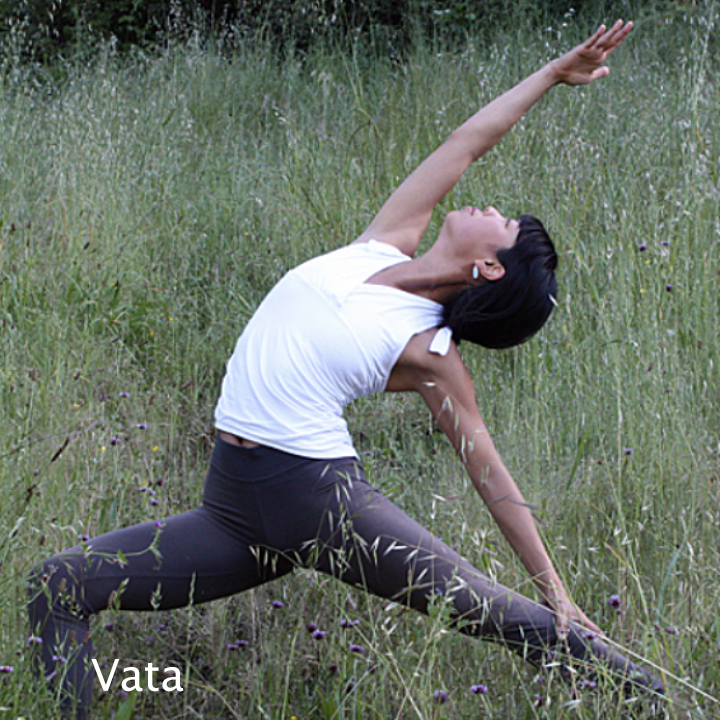
Element: Air + Space
Light, mobile, creative, and sensitive – with a tendency toward hypermobility, restlessness, and instability.
Vata Dosha Yoga Practice
Vata benefits from a slow, grounding, and nourishing practice. Gentle movements performed in a warm, quiet environment help stabilize both body and mind.
Recommended Practices
- Asanas: Mountain Pose, Warrior Pose, Tree Pose, Wide-Angle Seated Forward Bend
- Restorative / Yin: Reclining Bound Angle Pose, Child’s Pose, Savasana
- Breathing & Meditation: Alternate nostril breathing, slow diaphragmatic breathing, calming meditation
- Mantra: Om–Ah–Hung (approx. 10 min.) for mental clarity
Benefits:
Reduces anxiety and nervousness, improves sleep, and enhances grounding and stability.
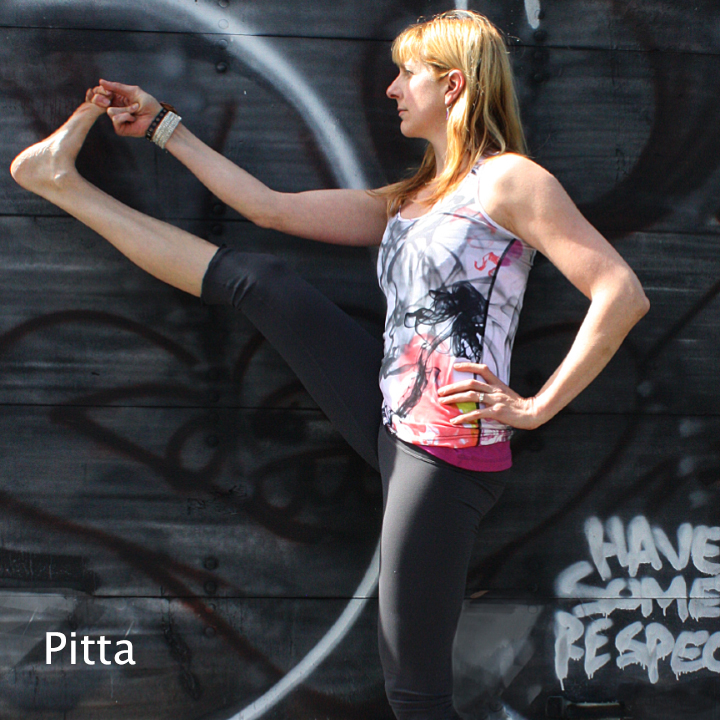
Element Fire + Water
Focused, passionate, and sharp – with a tendency toward competitiveness, intensity, and overheating.
Pitta Dosha Yoga Practice
Pitta thrives with a moderate, cooling, and calming practice performed with awareness and ease. A well-ventilated, non-heated environment helps balance intensity and focus.
Recommended Practices
- Asanas: Moon Salutations, Bharadvaja’s Twist, Seated Side Bend, Revolved Side Angle, Locust Pose, Cobra Pose, Bridge Pose
- Restorative / Cooling Practices: Gentle Hatha or slow Vinyasa, supported forward bends, Savasana, Yoga Nidra
- Breathing & Meditation: Sheetali or Sheetkari pranayama, So Hum meditation, cooling visualizations (ocean or forest)
- Mantra: So Hum (5–10 minutes) to cultivate calm awareness
Benefits:
Reduces inflammation and overheating, soothes irritability, and supports emotional balance and clarity.
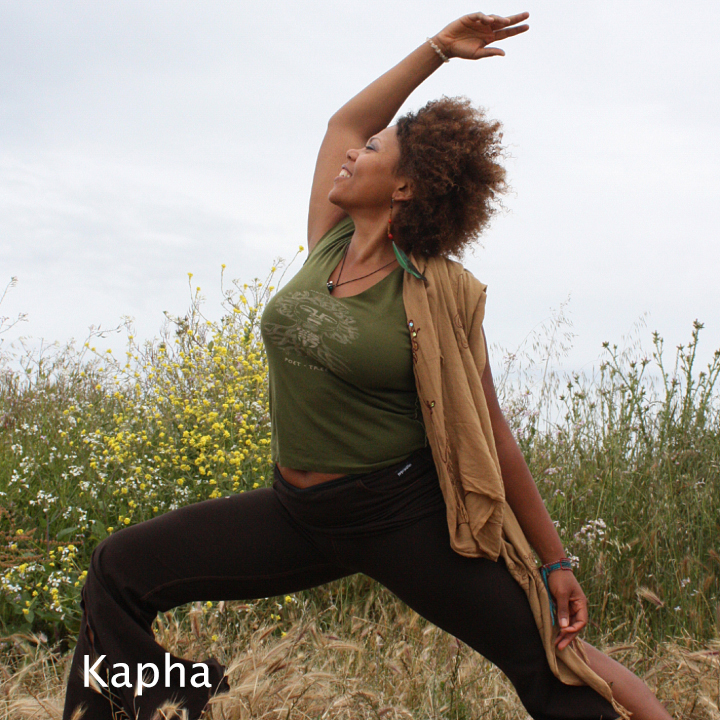
Element Earth + Water
Stable, calm, slow, steady, strong, and nurturing – with a tendency toward heaviness, laziness, and inertia.
Kapha Dosha Yoga Practice
Kapha benefits from an energizing, warming, and dynamic practice to counteract stagnation. Consistent movement and moderate intensity help stimulate circulation and vitality.
Recommended Practices
- Asanas: Sun Salutations, Warrior II, Triangle Pose, Extended Side Angle Pose, Camel Pose, Upward-Facing Dog, Bridge Pose
- Dynamic Practices: Active Hatha, moderate Vinyasa Flow, standing sequences with minimal rest
- Breathing & Meditation: Kapalabhati, Ujjayi breathing, walking meditation, energizing visualizations (light or warmth)
- Mantra: Ram (5–10 minutes) to stimulate fire and motivation
Benefits:
Boosts energy, motivation, circulation, digestion, and metabolism.
Practices for your Dosha
- Vata: Maintain routine, prioritize rest, eat warm grounding foods, create a calm environment
- Pitta: Avoid overexertion and heat, choose cooling foods, emphasize relaxation
- Kapha: Stay active, avoid sedentary habits, eat light foods, move regularly
Therapeutic Yoga Home Program
A personalized home practice supports strength, flexibility, resilience, and long-term Dosha balance. A complete therapeutic yoga program may include:
- Therapeutic asanas
- Pranayama and breath awareness
- Meditation, visualization, and Yoga Nidra
- Mudra and mantra practices
- Self-massage and Marma point stimulation
This integrated approach supports sustainable self-healing and holistic well-being.
About Elke Savala
Elke Savala is a Certified Ayurvedic Practitioner and Holistic Health Coach offering personalized Ayurveda consultations and coaching to support self-healing and whole-person wellness.